
Economy
US proposes new tariffs on 14 trading partners over 'excess capacity'; Nepal not among those named
The US Trade Representative has proposed tariffs, mostly of 15 to 20 percent, on 14 economies including China, India and Bangladesh after investigations into manufacturing overcapacity. Nepal was not among the economies investigated or named.
By Mero Nepal News · 27 Nov 2026
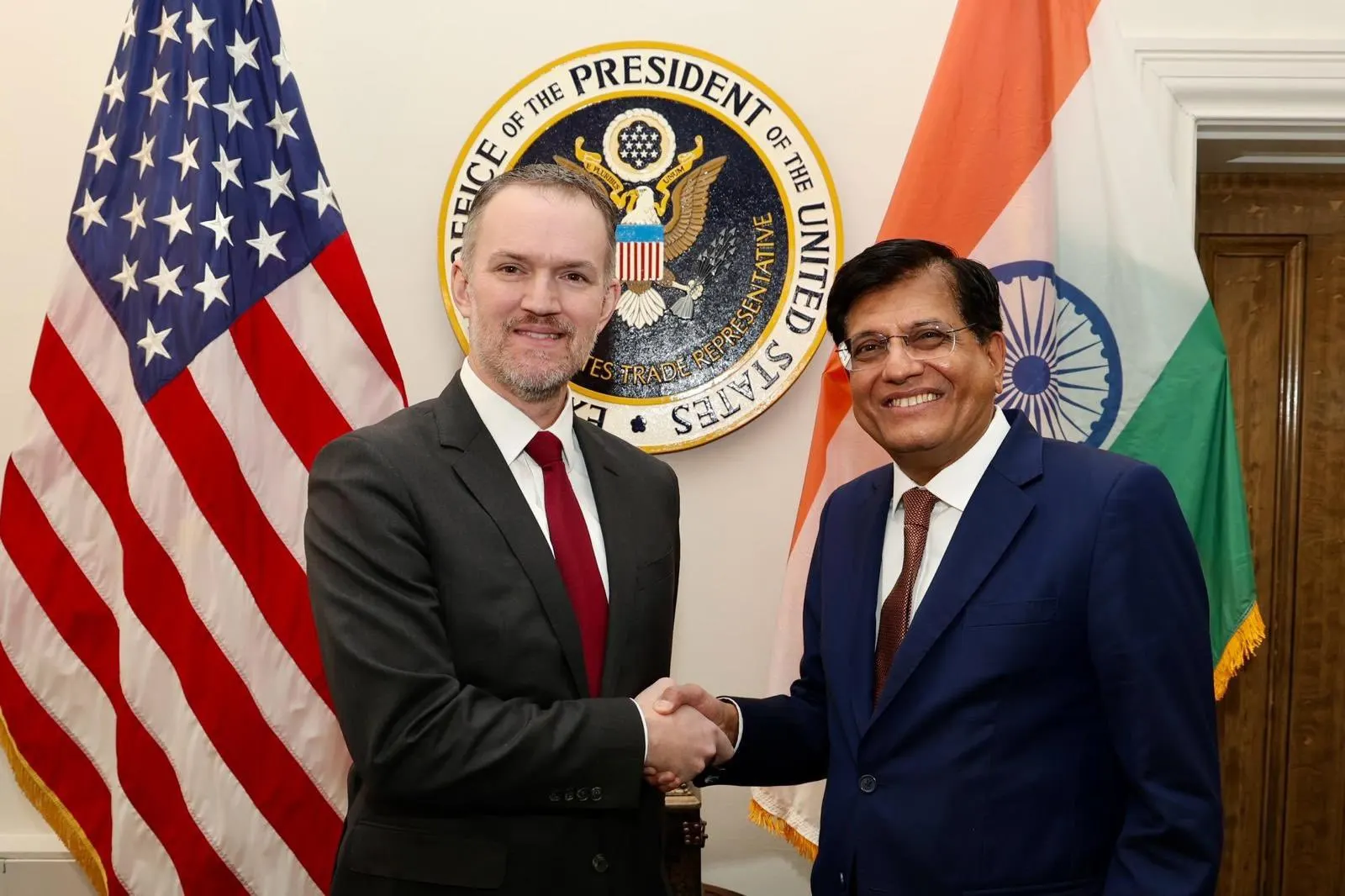
The United States Trade Representative (USTR) on Wednesday, Nov. 25, 2026, proposed new tariffs on 14 trading partners, including China, India and Bangladesh, according to CNBC and Al Jazeera. Nepal was not among the economies investigated or named.
The proposed duties fall under Section 301 of the Trade Act of 1974, a U.S. law that allows the government to act against trade practices it considers unfair. They follow investigations launched in March 2026 into what Washington calls "structural excess capacity" in manufacturing, covering sectors such as steel, cars, computer chips and solar panels, the outlets reported.
The 14 economies are China, Bangladesh, Cambodia, the European Union, India, Indonesia, Japan, South Korea, Malaysia, Singapore, Switzerland, Taiwan, Thailand and Vietnam, Al Jazeera reported. The investigation covered 16 economies. Mexico and Norway were investigated but spared.
Proposed rates
CNBC reported that the proposed rates mostly range from 15 to 20 percent.
China faces a 20 percent "excess capacity" tariff on top of roughly 25 percent in tariffs imposed during President Donald Trump's first term, bringing the total to about 45 percent, according to CNBC. Vietnam's proposed rate is 20 percent, Al Jazeera reported. Rates for most countries were to be published in the Federal Register, the U.S. government's official journal.
A senior U.S. official said the new duties would not break the ceilings set in existing trade deals: 15 percent for the EU, Japan and South Korea, and 19 percent for Malaysia, Al Jazeera reported, citing Reuters. India has no final trade deal with the United States; an outline was agreed in February, according to Al Jazeera.
U.S. Trade Representative Jamieson Greer told CNBC's "Squawk Box": "When it all nets out, it really will just top up a few percentage points."
He added: "I don't think any of these would actually take effect earlier than a couple months from now."
China's foreign ministry rejected the basis for the tariffs. "The so-called 'overcapacity' does not really exist," it said, according to CNBC, citing Reuters.
Background
In February 2026, the U.S. Supreme Court struck down the tariffs Trump had imposed under the International Emergency Economic Powers Act. A 10 percent global tariff imposed afterwards under Section 122 of the Trade Act expired after 150 days, in July, CNBC and Al Jazeera reported.
Separate Section 301 investigations into forced labour in 60 economies led to duties of 10 to 12.5 percent, according to CNBC. The reports do not list those 60 economies, so it is not clear whether Nepal is among them.
Nepal's Ministry of Industry, Commerce and Supplies had not commented on the proposed tariffs.